
What is Insoluble Fiber?
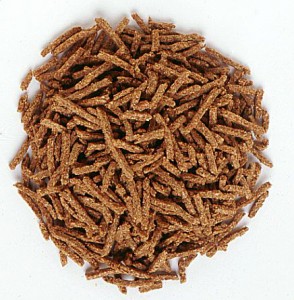
Insoluble fibre is a coarse material that does not dissolve in water, passing through the digestive system almost unchanged.
It is an essential inclusion in your diet and crucial for maintaining a healthy digestive system and a strong immune system.
Insoluble fiber comes from the plants you eat and can be consumed in many forms;
Good Sources of Insoluble Fibre Are: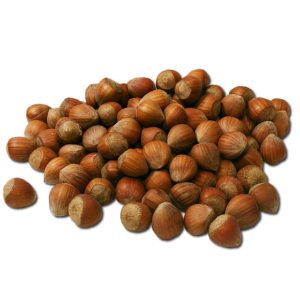
- Cereals
- Wholemeal and wholegrain bread
- Pasta
- Skins of fruits and vegetables
- Nuts
- Brown Rice
Including a variety of Insoluble fibre foods is essential for a healthy diet, as they help keep food material moving along your digestive system.
As it doesn’t break down in the water, insoluble fibre will bulk up your stools, making them easier to pass.
Because a healthy digestive system is essential for overall health, many surprising health benefits include insoluble fibre in your diet.
Insoluble Fibre Foods List
Here are a few examples of some good insoluble fiber foods
Bran
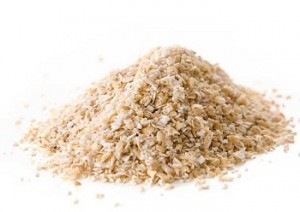
Bran is one of the richest insoluble fibre foods you can get. Wheat bran and oat bran have the most insoluble fiber, offering somewhere between 15 and 37g of insoluble fibre per 100g serving size.
Cocoa Powder
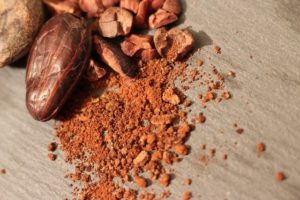
Pure cocoa powder also has plenty of insoluble fibre content, making it one more option for those who need to add more fiber to their diet. But don’t overreact yet! Normal chocolate won’t do, as only natural cocoa powder can deliver the insoluble fibre you need, so keep that in mind when reaching for the chocolate chip cookies.
Beans
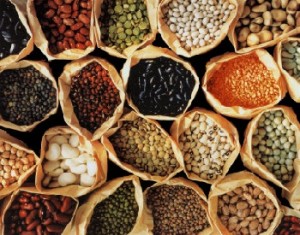
Many types of beans are insoluble fiber foods. White, brown, and soya beans are the best sources of this kind of fibre. Kidney, red, and navy beans are also good.
Rye Bread
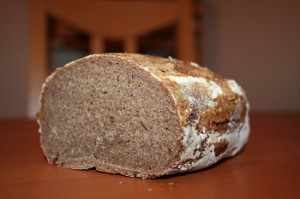
Rye bread is also one of the best insoluble fibre foods. Everything from rye bread, rye bran to rye flour offer lots of it.
Green leafy Vegetables
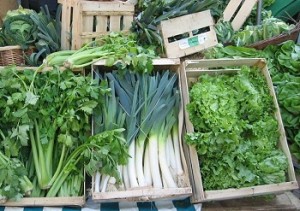
Many vegetables are also insoluble fibre foods, especially green leafy ones. These are just plain good for your health in general. Try vegetables like spinach, kale, chard, and bok choy to bulk up your insoluble fibre intake.
Popcorn

A very surprising source of insoluble fibre is popcorn.
While it may not be healthy for everyday ingestion, popcorn can be a good way to create bulkier stools that pass more easily through your digestive system. And the easier stools pass through your body, the more toxins that are expelled.